Best Filament Choices for Outdoor Halloween Animatronic Skeleton
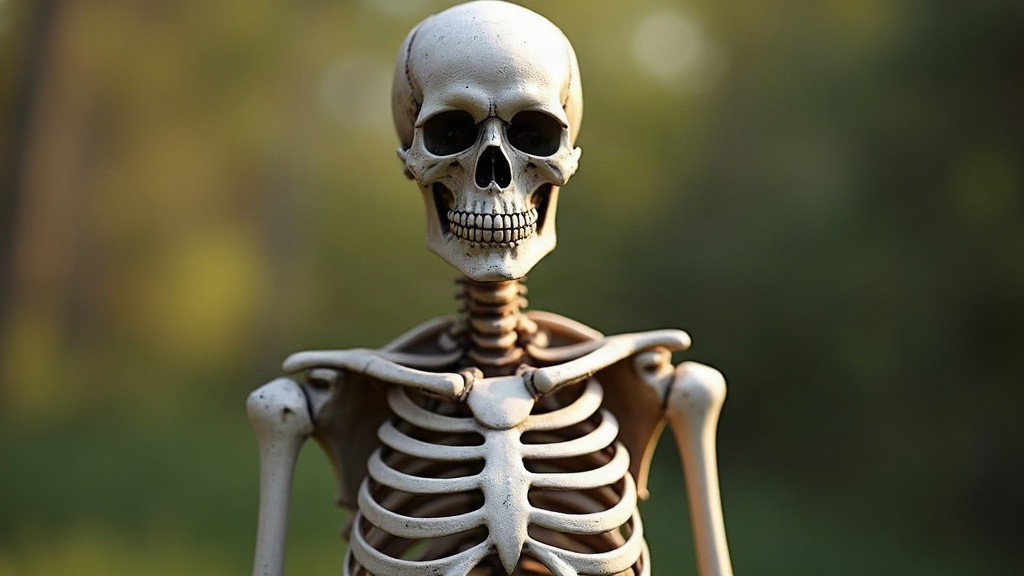
If you’re building an outdoor animatronic skeleton for Halloween, the filament you pick for its moving joints can honestly make or break the whole prop. Short answer: ASA or PETG for the load-bearing bones and rigid frame, paired with TPU (flexible filament) for hinge bushings and connector sleeves that soak up shock and resist cracking. Standard PLA, while dead simple to print, is the wrong call for anything that sits in the sun, heat, or gets moved over and over.
Why Joint Material Matters More Than You Think
Animatronic skeletons depend on dozens of small moving parts, elbows, knees, jaw hinges, finger joints, that flex thousands of times over a single Halloween season. Throw in outdoor exposure (UV rays, temperature swings, rain, humidity) and you’ve got a recipe for brittle failure if you print with the wrong plastic. A joint that looks perfectly fine in your garage in early October can snap clean in half by November after weeks of sun during the day and cold nights.
The three biggest threats to printed joints are:
- UV degradation – sunlight breaks down polymer chains, making plastic brittle
- Thermal cycling – hot afternoons and cold nights force repeated expansion and contraction
- Mechanical fatigue – constant articulation wears down thin walls and pin holes
Filament Comparison for Skeleton Joints
PLA — Avoid for Outdoor Joints
PLA is the default filament on most 3D printers, cheap, easy, forgiving. But it has a low glass transition temperature, around 60°C, so parts left in a sunny yard or a hot garage can warp or go soft within hours. It’s also notoriously brittle under repeated flexing. Hinge pins and knuckle joints printed in PLA have a habit of cracking within days, sometimes after just a handful of animation cycles.
Use PLA only for: static decorative bones that don’t move or carry any load.
PETG — The Reliable Middle Ground
PETG is a solid step up for outdoor animatronics. It has decent UV resistance, better impact strength than PLA, and shrugs off moisture without breaking down. It’s also easier to print than ASA, less warping, no enclosure needed, which matters if you’re working in a garage without climate control.
Best for: main limb segments, rib cages, and structural connectors that need strength but not extreme flexibility.
ASA — The Gold Standard for Sun Exposure
ASA (Acrylonitrile Styrene Acrylate) is basically the outdoor-rated cousin of ABS. Automotive parts and outdoor signage use it specifically for its UV stability. Parts printed in ASA resist yellowing, chalking, and embrittlement far longer than PETG or PLA when they sit in direct sun for months on end.
Best for: exposed joints, skulls, and any part baking in direct sunlight for the whole season, especially if you plan to reuse the skeleton next year too.
Tip: ASA needs an enclosed printer or at least a draft-free room to avoid warping, since it shrinks more than PETG while cooling.
TPU — For Flexible Hinges and Bushings
TPU (thermoplastic polyurethane) is a flexible filament built for parts that need to bend without splitting, things like:
- Hinge bushings that cut down metal-on-plastic wear
- Flexible knuckle sleeves for finger and jaw joints
- Shock-absorbing washers between rigid ASA/PETG bone segments
TPU’s elasticity keeps joints moving smoothly even after hundreds of animation cycles, and it doesn’t turn glass-brittle on cold nights the way rigid plastics can.
Recommended Joint-Building Combo
For the most durable outdoor animatronic skeleton, most experienced prop builders lean on a hybrid setup:
- ASA for the main skeletal frame and anything in direct sun (skull, ribs, pelvis)
- PETG for internal mechanical brackets and motor mounts (a good strength-to-print-ease tradeoff)
- TPU bushings or sleeves at every pivot point to cut down wear and add a bit of give
This combo puts rigidity where you need strength and flex where you need motion, without giving up weather resistance along the way.
Extra Durability Tips
- Seal exposed joints with a UV-resistant clear coat spray, even on ASA parts. A few extra minutes of spraying can add another season or two of life.
- Use metal pins or bolts instead of printed pins wherever you can. Printed pins are, hands down, the most common failure point on these builds.
- Store indoors between uses. Even ASA holds up better if it isn’t baking under sun for months straight, every single day.
- Bump infill to 40%+ at stress points like knees and elbows, even if the rest of the model runs lower infill to save time and filament.
Conclusion
For outdoor Halloween animatronic skeletons, skip PLA entirely for anything that moves or sits in the sun. Build the frame from ASA for maximum UV resistance, use PETG where extra print-ease and strength matter, and add TPU at every joint for flexible, fatigue-resistant motion. Get this combination right and your skeleton will keep posing, waving, and creaking convincingly through the whole spooky season, ready to come back and do it all again next year.