Custom Guitar Picks: Nylon vs Delrin Slicing Profiles Compared
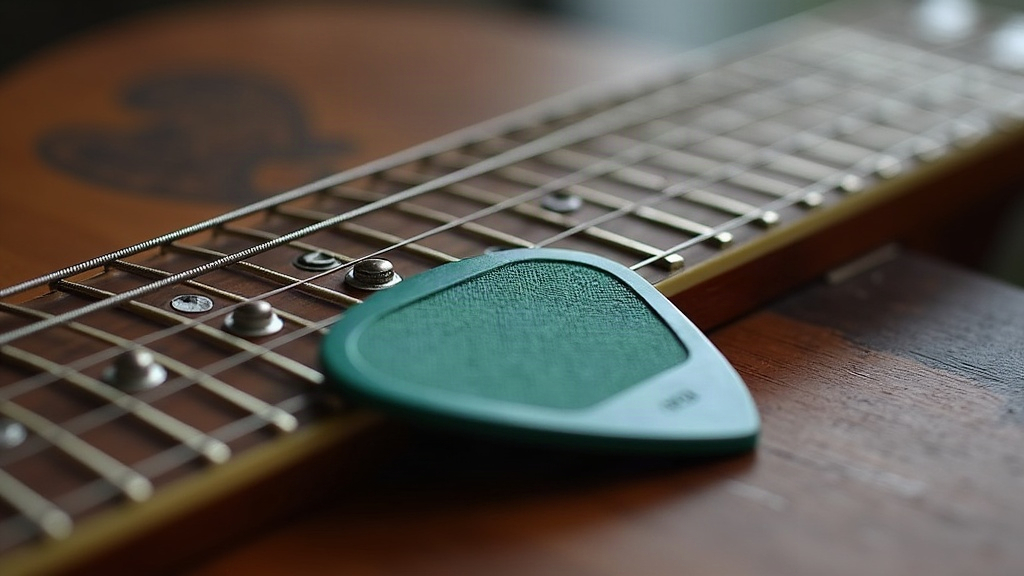
Printing custom guitar picks might be one of the cheapest ways to put your name in front of a crowd, whether you’re branding a band, a teaching studio, or a small merch table. But here’s the catch nobody tells you upfront: pick which material and cut wrong, and your slick new logo could flake off after a single rehearsal, or the pick itself could snap mid-song. This guide walks through nylon versus Delrin, explains how the slicing profile changes everything, and tells you which combo actually makes sense for your print run.
Why Material Choice Matters More Than Design
A custom pick is only as good as the plastic underneath the artwork. Before you ship your logo file off to a printer, it helps to know the base material controls three separate things at once:
- Durability - how many hours of strumming before the tip wears thin or chips
- Tone - brighter, snappier attack versus something warmer and rounder
- Print retention - whether the ink, laser etch, or UV coating survives sweaty hands and pocket friction
Nylon and Delrin (the trade name for acetal, also called POM or polyoxymethylene) dominate the custom pick market. Each one reacts differently once printing gets involved, and that’s where a lot of first-timers get tripped up.
Nylon Picks: Flexible, Grippy, Print-Friendly
Nylon is the old standby. Jim Dunlop built a whole product line on it. A few things worth knowing:
- Slightly textured surface that grabs screen-printed ink and matte UV coatings and holds on
- More flex, which lets thin picks (under 0.60mm) shrug off printing-process heat instead of warping
- Wears faster at the tip, particularly if you’re an aggressive strummer or do a lot of alternate picking
- Warmer, rounder tone - acoustic players and rhythm guitarists tend to gravitate here
For custom jobs, nylon makes the most sense for small-batch or promotional picks: band giveaways at a merch table, freebies for guitar students. Nobody’s expecting these to survive three years of touring. What matters is that the logo looks crisp coming out of the box.
Delrin Picks: Rigid, Bright, Built to Last
Delrin runs denser and stiffer than nylon, and that stiffness shows up in two places: how it plays, and how long a printed design survives on it.
- Smooth, hard surface shrugs off micro-abrasion from the strings, so the design doesn’t rub away as quickly
- Brighter, more articulate attack - a favorite among lead players who need precision on pick slides
- Holds its edge shape longer, especially in the thicker gauges (0.73mm to 1.5mm)
- A bit fussier to print on - you’ll usually need laser etching or solvent-based UV ink, since regular screen-print ink just doesn’t grip Delrin’s low-friction surface the way it does nylon
If you’re making picks for people who play hard every single night, touring musicians, session players, Delrin pays for itself. Yes, it costs more per unit to print. But it lasts long enough to justify that.
How Slicing Profile Affects Durability
“Slicing profile” is just a fancy way of describing how the blank gets cut and beveled at the tip and edges. This is the detail most people skip right past, and it’s a mistake:
- Standard bevel (symmetric edge): wears evenly, forgiving for beginners, works fine on either material
- Acute or sharp-sliced tip: gives you faster articulation but burns through nylon quickly; Delrin, thanks to its hardness, keeps a sharp edge much longer
- Rounded shoulder cut: cuts down on chipping at stress points, which matters a lot for picks with a printed logo near the grip, since cracks tend to start at sharp internal corners
- Thicker gauge plus a beveled edge: this combo is the single biggest durability lever you can pull, regardless of material. A 0.96mm Delrin pick with a rounded bevel will outlast a 0.46mm nylon pick with a sharp cut by a wide margin
Printing Considerations by Material
| Factor | Nylon | Delrin |
|---|---|---|
| Ink/screen print adhesion | Excellent | Fair (needs UV/laser) |
| Laser engraving clarity | Good | Excellent |
| Logo longevity (daily use) | 3-6 months | 8-12+ months |
| Best gauge for printing | 0.60-0.73mm | 0.73-1.14mm |
Quick Recommendation
- Giveaways, teaching studios, light use: nylon, standard bevel, screen-printed logo
- Touring bands, serious players, premium merch: Delrin, rounded bevel, laser-etched design
- Mixed packs for merch tables: stock both. A surprising number of fans actually care about pick feel and will pick through a bowl to find the one they like
Final Thought
Nylon versus Delrin isn’t really an aesthetic call, it’s a bet on how long you need the printed design to hold up and how the pick needs to feel under a player’s fingers. Nylon wins on cost and print-friendliness for casual or promotional runs. Delrin wins on durability and brightness when the picks are going to see real stage time. Either way, pair your material with a rounded slicing profile and a gauge above 0.70mm, and you’ll end up with picks that outlast whatever thin, cheap stock pick is currently rattling around the bottom of a gig bag.